
Thinking about adding more room to your North London home? A loft conversion is a pretty smart move. Instead of building outwards and losing garden space, you can make use of that empty attic.
Whether you're dreaming of a quiet bedroom, a handy bathroom up high, or even a place to get some work done, there are loads of ideas to make it fit your life and your house. We've helped loads of people in North London turn their dusty lofts into nice, usable spaces. With years of experience, we know how to design loft conversions that work for you, your wallet, and your property.
Key Takeaways
- Loft conversions are a great way to add space and value to North London homes without sacrificing garden area.
- Consider your loft's potential, even small spaces can be made functional with smart design.
- A loft conversion can create a peaceful bedroom retreat, a practical bathroom, or a productive home office.
- Understand planning permission rules and building regulations specific to North London.
- Choosing the right conversion type and planning your budget are vital steps for a successful project.
Maximising Space With Your North London Loft Conversion
Understanding Loft Conversion Potential
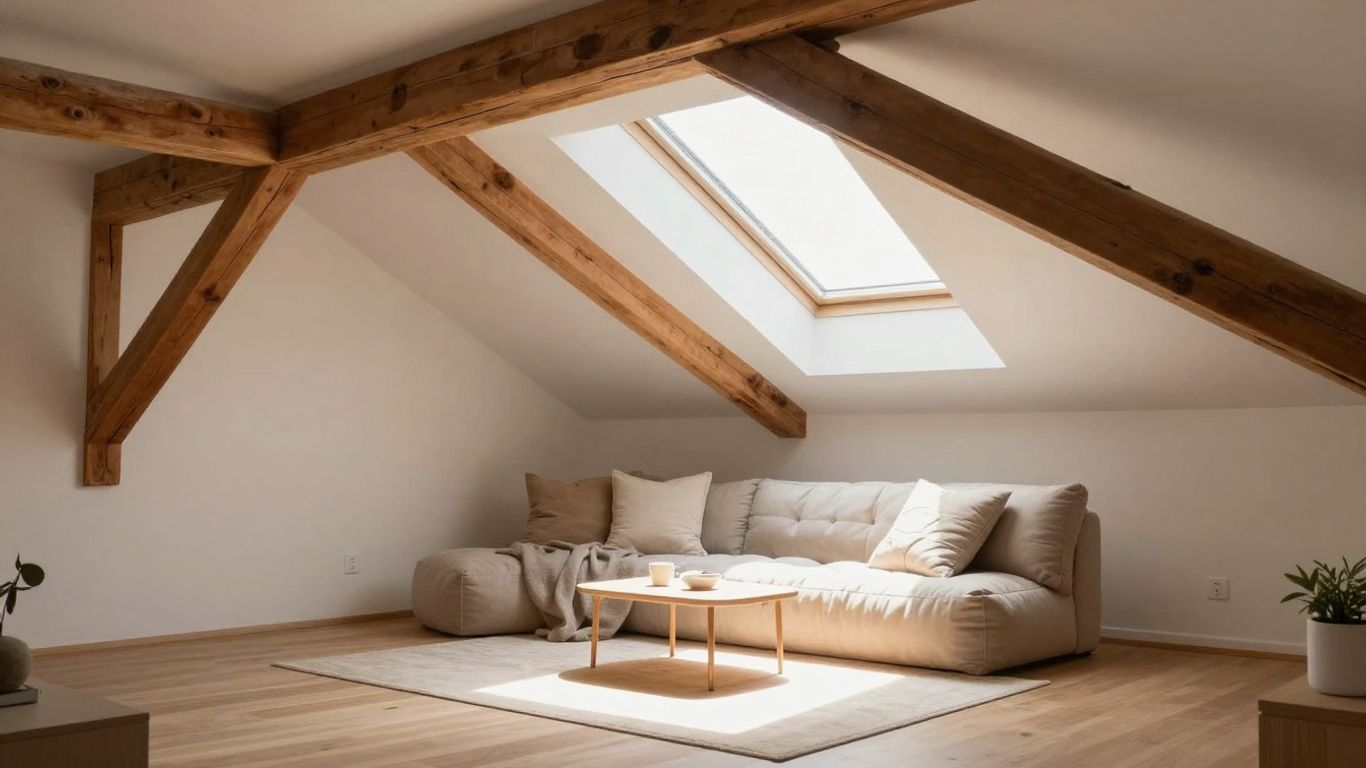
North London homes often have that extra bit of space just sitting above our heads, going unused. A loft conversion is a really smart way to make use of it, adding rooms without eating into your garden or needing a massive extension.
It's about looking at what you've got and seeing the possibilities. Think about how much floor space a whole new bedroom, a handy bathroom, or even a quiet home office could give you. It's often one of the most cost-effective ways to increase your home's living area.
- Adds significant value: Properties with extra rooms are always more desirable.
- Less disruption: Generally quicker and less messy than a ground-floor extension.
- Customisable: You can design the space exactly how you want it.
Many loft conversions can be done under 'permitted development' rules, meaning you might not even need to go through the full planning permission process. Always check with your local council, though!
Smart Design For Compact Lofts
Even if your loft isn't huge, there are plenty of clever tricks to make it feel bigger and work better. It’s all about smart design choices. For instance, using Velux windows or skylights floods the space with natural light, making it feel much more open.
Built-in storage tucked away under the eaves is another great idea – it keeps things tidy and uses up awkward corners. Sliding doors or pocket doors are also brilliant for saving precious floor space that a traditional swinging door would take up.
Here are a few ideas for smaller lofts:
- Maximise light: Skylights and light colours make a big difference.
- Built-in storage: Use every nook and cranny.
- Space-saving doors: Think sliding or pocket doors.
Adding Value To North London Homes
Loft conversions are particularly popular in North London because space is at such a premium. Adding an extra bedroom or two, or even a modern bathroom, can really boost your property's appeal and, importantly, its market value.
It's not just about having more room now; it's an investment for the future. A well-designed loft conversion can make your home stand out when it's time to sell, potentially adding a significant percentage to its overall worth. It's a practical upgrade that pays off.
Designing Your Ideal Loft Space
So, you've decided to take the plunge and convert your loft. Brilliant! Now comes the fun part: figuring out exactly what you want to do with all that new space.
It’s not just about adding square footage; it’s about creating rooms that really work for you and your family. Whether you're dreaming of a peaceful bedroom, a handy extra bathroom, or something else entirely, the design is key.
Creating A Tranquil Bedroom Retreat
Lofts are often naturally quiet and tucked away, making them perfect for a bedroom. Imagine waking up to the sky above you through a skylight, or having your own little sanctuary away from the hustle and bustle of the main house.
We can help you design a space that feels like a proper escape. Think about built-in wardrobes to keep things tidy – they're great for maximising space, especially in rooms with sloped ceilings. Adding an en-suite bathroom is also a popular choice, turning your loft bedroom into a self-contained suite. It’s a real game-changer for convenience.
- Consider Juliet balconies for a touch of luxury.
- Custom shelving in walk-in wardrobes.
- Ensuite bathrooms for ultimate privacy.
Building A Functional Loft Bathroom
Adding a bathroom to your loft is a fantastic idea. It’s not just about convenience; it can make a huge difference to how you use your home. Even with tricky roof angles, clever design can accommodate a full bathroom.
Using light colours and reflective tiles can make the space feel bigger and brighter. Don't forget about space-saving fixtures like wall-hung toilets and compact sinks. Skylights are brilliant for bathrooms, too, bringing in natural light and improving ventilation. A well-designed loft bathroom is a real asset.
Here’s a quick look at what works well:
Feature | Benefit |
|---|---|
Skylights | Natural light and ventilation |
Light tiles | Makes space feel larger |
Compact fixtures | Saves floor space |
Wall-hung toilet | Easier cleaning and space saving |
Contemporary Designs For Modern Living
If you're after a more modern feel, North London lofts can be transformed with clean lines and smart features. Think about minimalist styles that make the most of the light. Frameless glass balustrades on staircases look really sleek, and integrated LED lighting can set the mood. Exposed beams can add an industrial touch, paired with polished floors, if that's your style.
We aim to blend modern design with practical solutions, ensuring your new space is both stylish and easy to live in. It’s all about creating a bespoke area that fits your life.
Home Office Loft Conversions In North London
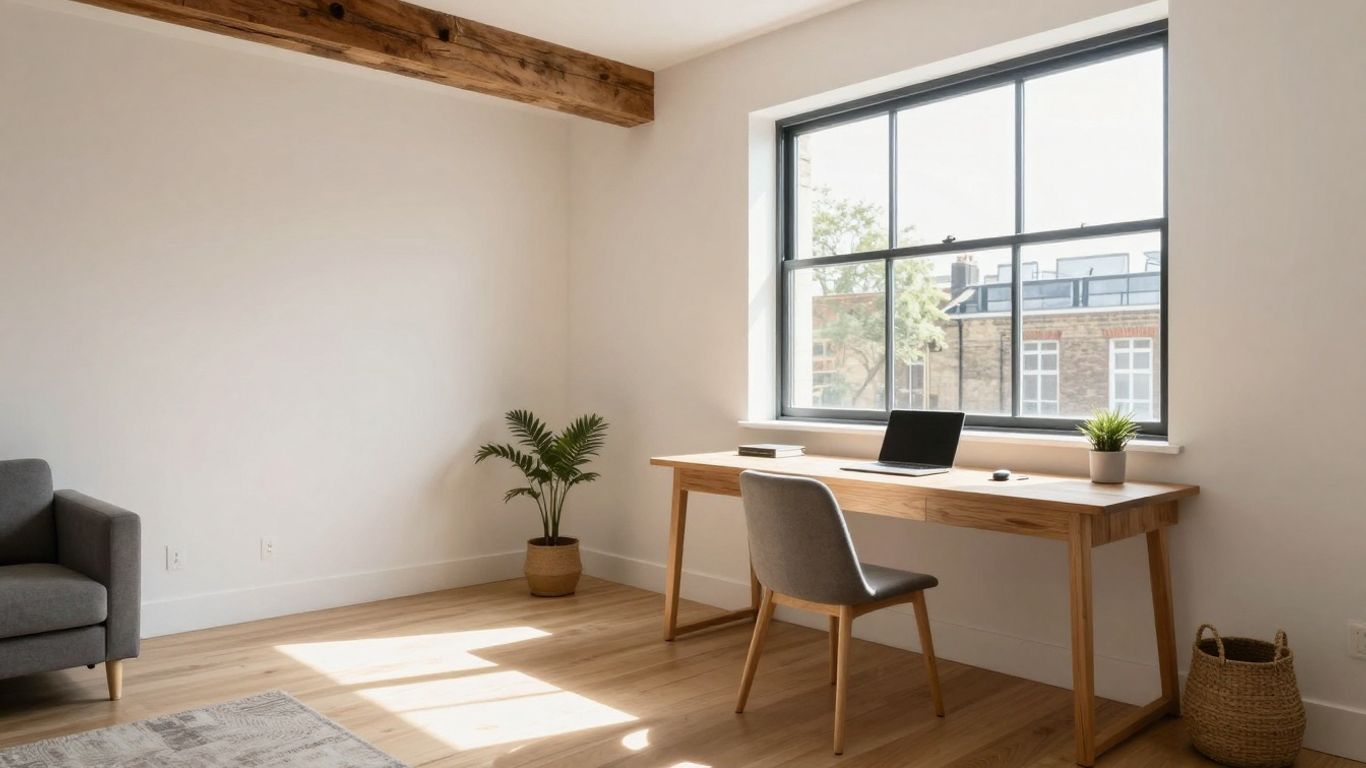
With more of us working from home these days, finding a dedicated spot to get things done can be a real challenge. If your house is feeling a bit cramped, a loft conversion might just be the answer. Turning that unused attic space into a bright, quiet office is a smart move, especially for homeowners in North London. It’s a way to boost your productivity and add value to your property without the hassle of moving.
Boosting Productivity With A Dedicated Workspace
Having a separate workspace is a game-changer for focus. Unlike working from the kitchen table, a loft office is away from the main hustle and bustle of the house. This separation helps you concentrate during work hours and switch off properly when the day is done.
It’s about creating a clear boundary between work and home life, which can really make a difference to your stress levels and overall output. A well-designed loft office can significantly improve your work-life balance.
Essential Features For Your Loft Office
When planning your office in the sky, think about what you really need. Good lighting is key – a mix of natural light from skylights and good artificial lighting can make a huge difference.
Soundproofing is also a good idea if you need real peace and quiet. Built-in storage is brilliant for keeping things tidy, and an ergonomic setup will keep you comfortable during long working days. Consider these points:
- Lighting: Maximise natural light with Velux windows and add task lighting.
- Storage: Built-in shelves and cupboards make the most of awkward spaces.
- Comfort: Ensure good insulation and consider a small heater or fan.
- Connectivity: Plan for sufficient power sockets and internet access.
A professional assessment can confirm if your loft has the necessary headroom and structural integrity for conversion. It's worth getting this done early on.
Considering A Dual-Purpose Space
Sometimes, a loft office doesn't have to be just an office. You could design it as a flexible space. Consider incorporating a sofa bed for occasional guests, or a fold-away desk that can be hidden when not in use.
This way, your new loft space serves multiple purposes, making it an even more practical addition to your home. Many homeowners find that a dormer loft conversion works well for this, as it offers more headroom and floor space to accommodate different uses. The cost for a dormer conversion typically ranges from £50,000 to £65,000, but this can vary based on the specifics of your project.
Navigating The Loft Conversion Process
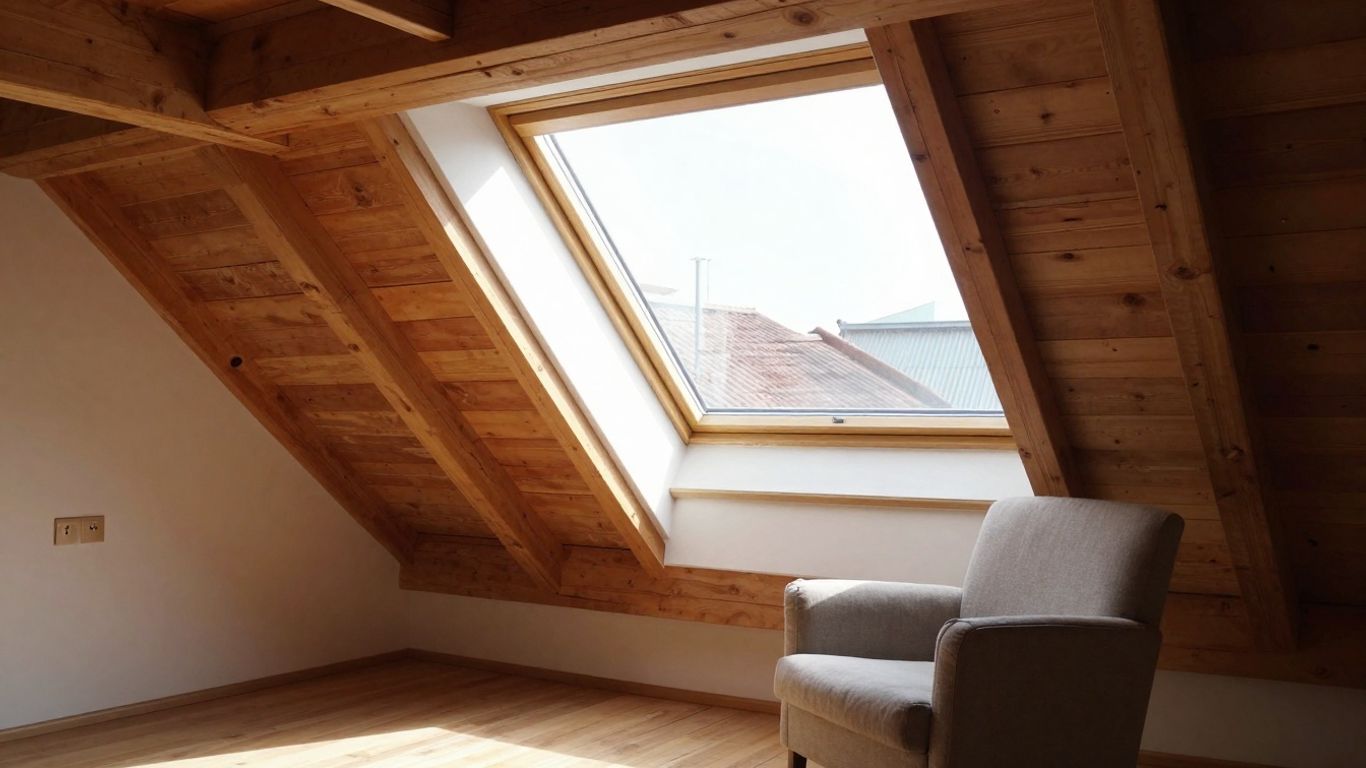
So, you're thinking about converting your loft. It's a big project, and honestly, it can feel a bit overwhelming at first. But don't worry, breaking it down into manageable steps makes all the difference. It’s not just about knocking down walls and sticking up some plasterboard; there's a proper process to follow to make sure everything is safe, legal, and exactly what you want.
Understanding Planning Permission Requirements
First things first, you need to check whether you need planning permission. For many homes in North London, loft conversions can actually fall under 'permitted development' rights. This means you might not need to go through the full planning application process.
However, this isn't always the case. If your house is in a conservation area, is a listed building, or if your planned conversion is quite large or changes the roofline significantly (like adding a big dormer window), you'll likely need to apply for full planning permission. It's always best to check with your local council or get advice from your builder early on.
Adhering To Building Regulations
This is where things get technical, but it's super important. Building regulations are all about safety, health, and accessibility. They cover things like structural stability, fire safety, insulation levels, ventilation, and electrical safety.
Even if you don't need planning permission, you will need to comply with building regulations. A building control officer from your local authority will inspect the work at various stages, and you'll get a completion certificate at the end. This certificate is vital, especially if you ever decide to sell your home.
The Importance Of Professional Assessment
Before you even think about builders or designs, it's wise to get a professional assessment of your loft space. This means consulting with experienced professionals such as architects, surveyors, or specialist loft conversion companies.
They can tell you if your roof structure is suitable for conversion, estimate the potential headroom, and advise on the best type of conversion for your specific house. They'll also be able to spot any potential issues early on, saving you time and money down the line. It’s about making sure your dream loft is actually achievable and safe.
Here's a rough idea of the stages involved:
- Planning and design: Getting your ideas down on paper and making sure they meet regulations.
- Structural work: Strengthening the roof, adding floor joists, and making the space watertight.
- First fix: Installing wiring, plumbing, and insulation.
- Second fix: Plasterboarding, fitting doors, skirting boards, and finishing touches.
- Final inspection: Getting the all-clear from building control.
Don't underestimate the time it takes to get the planning and design right. Rushing this stage can lead to problems later on, like unexpected costs or a layout that just doesn't work for you. It's better to spend a bit longer perfecting the plans.
Key Considerations For North London Loft Conversions
Choosing The Right Conversion Type
When you're considering converting your loft, the first big decision is which conversion suits your home best. It's not a one-size-fits-all situation, you know? For many North London homes, especially those with traditional roof structures, a Velux conversion is a popular choice.
These use the existing roofline and add skylights, bringing in loads of natural light without altering the roof shape too much. This often means you might not even need planning permission, which is a nice bonus. Then there are dormer conversions, which involve building a structure that projects from the roof.
These can add more headroom and floor space, making them great for creating a more usable room, but they often require planning permission. Finally, more complex types, such as Mansard or L-shape dormers, significantly alter the roofline and almost always require planning approval. It's really about balancing your space needs with the practicalities of your roof and local regulations.
Budgeting For Your Loft Project
Let's talk money. Loft conversions are a significant investment, and getting the budget right from the start is super important. Prices can vary a lot depending on the type of conversion, the size, the materials you choose, and where in North London you are.
A basic Velux conversion might start at around £45,000, while a more complex dormer or Mansard conversion could easily cost £90,000 or more. You've also got to factor in VAT, professional fees (architects, structural engineers), and any unexpected issues that may arise once the work begins.
It's wise to have a contingency fund – maybe 10-15% of your total budget – for those 'just in case' moments. Getting detailed quotes from a few reputable builders is a good way to get a clearer picture, and remember that VNP Constructions offers detailed quotes to help you plan.
Access And Staircase Design
How you get to your new loft space is more important than you might think. Building regulations have specific rules for staircase design to ensure it's safe and practical. The staircase must have a reasonable width and pitch, and there must be sufficient headroom.
Sometimes, fitting a full-sized staircase into an existing house layout can be tricky, especially in older North London properties. You might need to sacrifice some space on the floor below, perhaps by reconfiguring a landing or even a bedroom.
The design of the staircase can also impact the feel of your home; a beautifully designed staircase can become a feature in itself, rather than just a functional necessity. Think about how it will connect with the rest of your home's style. A well-planned access route is key to making your loft conversion feel like a natural extension of your home rather than an afterthought.
The type of loft conversion you choose will heavily influence the design and placement of your new staircase. It's not just about getting from A to B; it's about integrating the new access point smoothly into your existing home's layout and ensuring it meets all safety standards.
Thinking about a loft conversion in North London? It's a brilliant way to add space to your home. Before you start, make sure you understand the key things to consider, such as planning rules and potential costs.
Want to learn more about making your loft dream a reality? Visit our website today for expert advice and to get a free quote!
Ready to Make the Most of Your Loft?
So, there you have it. Converting your loft in North London is a really sensible move, whether you need more room for the family, a quiet spot to work, or just want to add some value to your home. It's a big project, sure, but with the right planning and a good team, it can totally transform your living space without you having to move.
Think about what you could do with that extra area – a new bedroom, maybe a bathroom, or even a home office. It’s all possible. Don't let that unused space just sit there gathering dust; it’s a real opportunity to make your house work better for you. Get in touch with some local experts, get some quotes, and start dreaming about what your new loft space could look like.
Frequently Asked Questions
How long does it usually take to convert a loft in North London?
Most loft conversions wrap up in about 6 to 10 weeks. The exact time can change a bit depending on how tricky the job is and what kind of conversion you're going for.
Do I need permission from the council to convert my loft?
Often, you don't need formal planning permission, especially for simpler designs like Velux windows. However, if your house is in a special area like a conservation zone, or if you plan big changes to the roof shape, you might need to ask the council first. Your home also needs to follow building rules for safety, no matter what.
Can I have both a bedroom and a bathroom in my new loft space?
Absolutely! Many people choose to create a main bedroom with its own bathroom, making it a private little getaway space right at the top of the house.
What's the best way to figure out which type of loft conversion is right for my home?
It really depends on how big your loft is, what your roof is like, and the local rules. We carefully review each house to suggest the best option for you.
How much value can a loft conversion add to my North London home?
A loft conversion can significantly boost your home's worth, sometimes by as much as 20%! It's a fantastic way to add usable space without using up your garden, which is a big plus in busy areas like North London.
Is my loft even suitable for a conversion?
Generally, if your loft has at least 2.2 metres of headroom and the roof structure is sound, it's likely a good candidate. A professional check will confirm if it's suitable for turning into a living space.